Insurance questions can stall a closing or surprise you at renewal, especially in coastal Florida. If you are buying or selling in Spring Hill, you will likely hear about 4-point and wind mitigation inspections. Understanding what they cover, when to order them, and how they affect your premium can save you time and money. This guide breaks it down in plain language so you can move forward with confidence. Let’s dive in.
4-point vs. wind mitigation
4-point inspection basics
A 4-point inspection is a limited, visual review of four systems: roof, HVAC, electrical, and plumbing. Insurers use it to decide if an older home or a home with risk signals is insurable right now. It is not a full home inspection and does not address cosmetic items. The report is brief and photo based, which insurers may accept on a standard form or their own version.
Wind mitigation basics
A wind mitigation inspection documents features that reduce wind damage during hurricanes and tropical storms. It focuses on how the home is built and protected, such as roof-to-wall connections and opening protection. Insurers use this report to calculate windstorm credits or discounts. The form is standardized and photo supported so carriers can apply credits efficiently.
What each inspection checks
4-point checklist
Inspectors typically review and document:
- Roof: Age, visible condition, signs of leaks, and estimated remaining life. Many carriers have roof age thresholds or may require a roof certification or replacement before binding coverage.
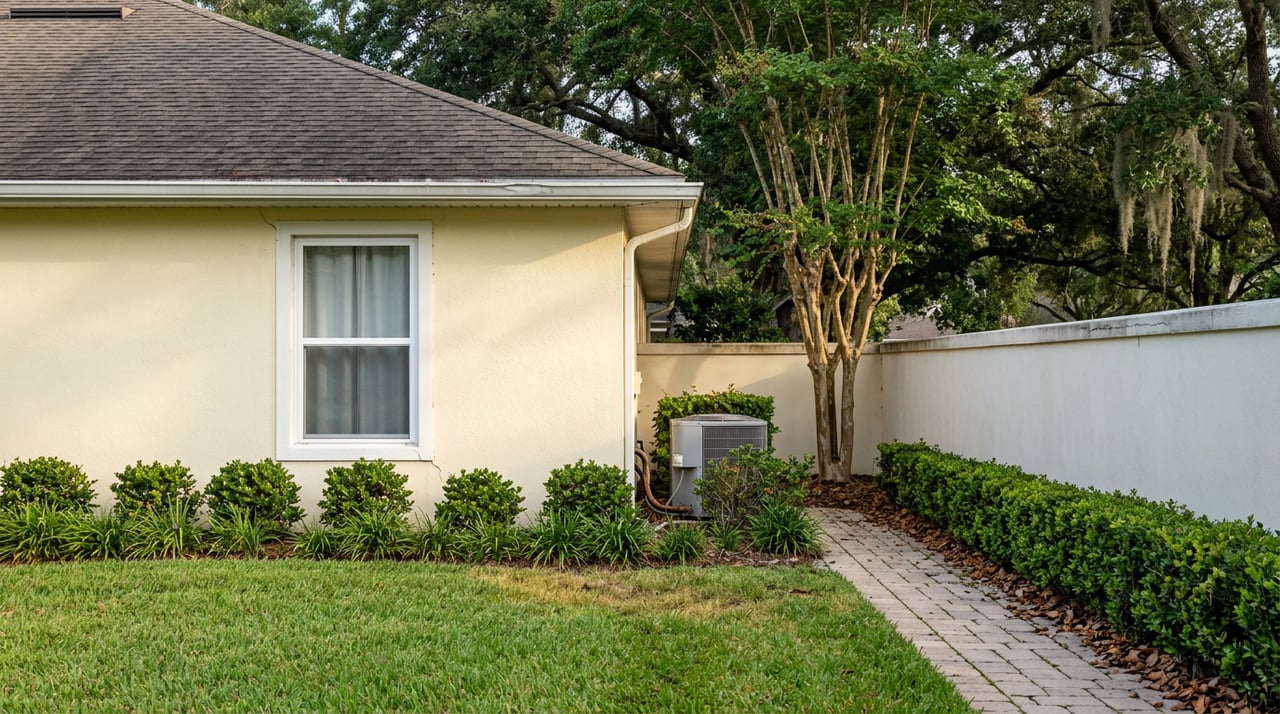
- HVAC: Age and visible condition of major components, evidence of corrosion or leaking, and basic functionality. Gas appliances may prompt additional safety observations.
- Electrical: Service type, panel brand, breakers vs fuses, visible hazards like exposed wiring or ungrounded outlets, and signs of improper repairs. Insurers watch for known risk panels and fire hazards.
- Plumbing: Visible leaks, pipe material types, water heater age and condition, and visible corrosion. Some materials, such as polybutylene, are known concerns for carriers.
Typical outcomes include approval, repair requirements, a request for a contractor’s certification, or a follow-up inspection by a specialist. Because the 4-point is non-invasive, insurers may still ask for additional documentation or proof of repairs.
Wind mitigation checklist
Wind mitigation reports commonly document:
- Roof covering: Material type, age, and condition.
- Roof shape: Hip vs gable geometry, since hip roofs usually resist wind better.
- Roof deck attachment: Nail or screw patterns and strength of attachment, which affects uplift resistance.
- Roof-to-wall connections: Presence and type of clips or straps vs toe-nailing.
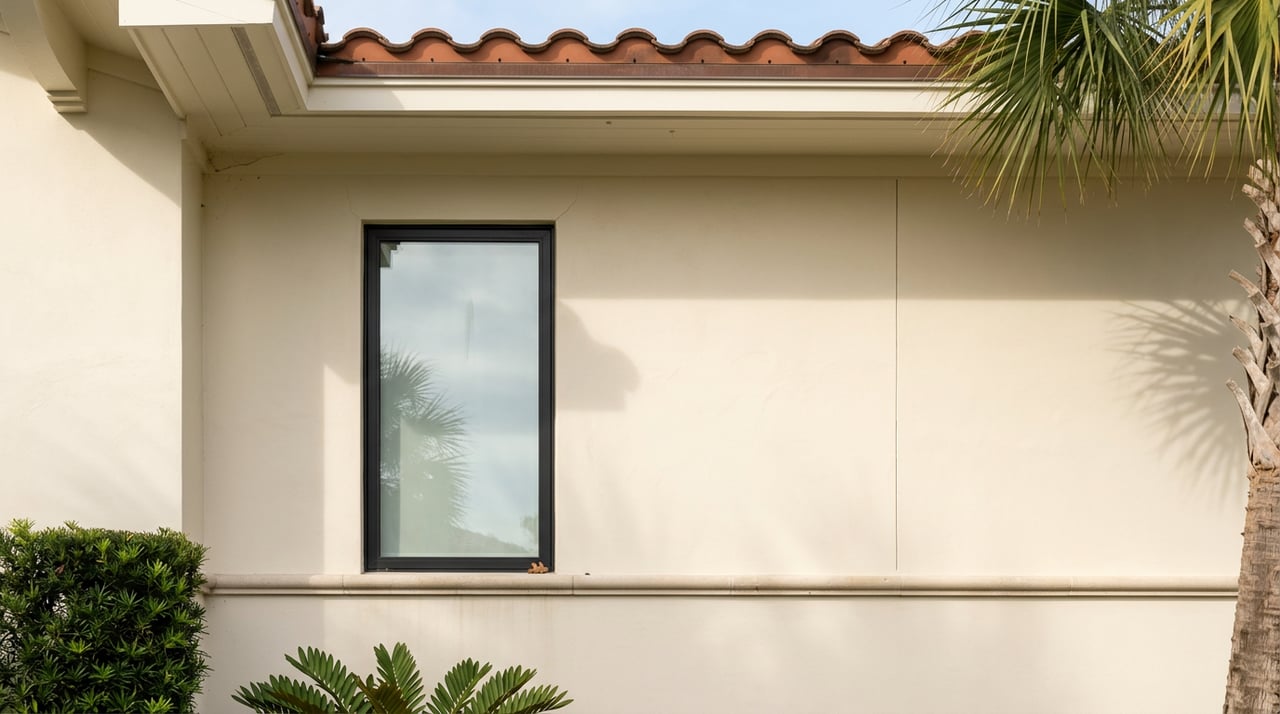
- Opening protection: Impact-rated windows or shutters and approved protections for doors and windows.
- Secondary water resistance: Underlayment or sealing that helps reduce interior damage if shingles are lost.
- Other features: Gable end bracing, soffits, and attached structures that can influence wind performance.
Documentation like roof permits, contractor invoices, and product approvals is valuable. Carriers often require proof to apply credits and may specify who can sign the report.
When to order them in Spring Hill
Common triggers
- Home age and roof age: If the home or roof is older than a carrier’s threshold, expect a 4-point or roof certification request.
- Insurance underwriting: A new policy, a change in carrier rules, or a renewal review can trigger either report. Wind mitigation reports are often needed to unlock credits.
- Real estate due diligence: Buyers often order a 4-point during the inspection contingency for older homes. Sellers sometimes order wind mitigation ahead of listing to highlight potential savings for buyers.
- Lender or escrow instructions: Less common, but certain lenders may request an inspection based on the insurer selected or collateral requirements.
Local factors in Hernando County
Spring Hill sits in a hurricane-exposed region of Florida’s Gulf Coast corridor, so wind mitigation features matter to insurers. Local agencies like the Hernando County Building Department and Property Appraiser keep permit histories and property data. These records can verify roof replacement dates and completed inspections, which helps speed carrier acceptance of credits and underwriting decisions.
Who orders and who pays
- Buyer-ordered: Often done during escrow to confirm insurability and anticipated premium. The buyer usually pays unless negotiated otherwise.
- Seller-ordered: Used to make a listing more marketable by disclosing wind credits or addressing 4-point issues up front.
- Insurer-ordered: The homeowner orders and pays when the carrier requires a report or a contractor’s certification to bind or renew coverage.
- Timing: Order early in escrow, ideally within the first one to two weeks. Repairs, permits, and re-inspections can take time.
How reports affect insurance
Wind mitigation credits and eligibility
A verified wind mitigation report can result in premium credits for features like impact protection, roof-to-wall straps, stronger deck attachment, and certain roof shapes. The amount depends on the insurer, coverage, and feature mix. Strong wind-resistant construction can also make a property more attractive to certain carriers.
4-point outcomes for underwriting
Carriers use 4-point results to gauge near-term risk. If inspectors note hazards such as an aged or damaged roof, a problematic electrical panel, visible plumbing issues, or a failing water heater, the insurer may require repairs, a contractor’s letter, or a roof certification. Some carriers may decline coverage if major hazards are present.
Company differences and documentation
Forms, accepted credentials, and credit amounts vary by insurer. Some carriers accept reports from licensed home inspectors, while others require licensed contractors or engineers for certain certifications. Accurate photos, permit records, and itemized receipts help avoid delays. Insurers can also request re-inspections or audits.
How to prepare and who to hire
Pre-inspection preparation
- Pull permit history for roof, HVAC, electrical, and plumbing work through Hernando County records.
- Gather contractor invoices, final inspection cards, warranties, and product approvals for impact-rated windows or shutters.
- Address obvious items before listing, such as missing electrical cover plates or visible leaks.
- Keep roof documentation handy. Proof of replacement dates and materials can influence both reports and discounts.
Choosing a qualified inspector
Verify licensing. In Florida, inspectors and contractors are regulated, and you can confirm credentials through state resources.
Ask for sample reports. Make sure they include photos and the forms your insurer accepts.
Confirm turnaround time and delivery format. Many providers return reports within 24 to 72 hours and can supply insurer-specific forms.
Timing and local cost expectations
- Time on site: About 30 to 90 minutes per inspection, depending on the home.
- Report delivery: Often within 24 to 72 hours.
- Cost: A typical range is about 75 to 250 dollars per inspection in recent local market conditions. Combined services may cost more, so it is smart to get quotes.
Red flags that can stall coverage
- Roof issues: Age beyond a carrier’s threshold, missing shingles, active leaks, or failing underlayment can trigger repair or replacement requirements.
- Electrical hazards: Panels with known failure histories, DIY wiring, or open junctions raise fire risk concerns.
- Plumbing concerns: Pipe materials with known failure histories, visible corrosion, or leaking fixtures.
- Missing wind protections: Lack of hurricane clips or straps, no impact-rated opening protection, or no proof of proper roof attachment can reduce credits and increase premiums.
Smart tips for buyers and sellers
- Order early. If you are under contract, schedule inspections in week one so you have time to respond to findings.
- Pair reports with documents. Combine your 4-point or wind mitigation with county permits, contractor invoices, and warranties.
- Get repair bids quickly. If an insurer requests fixes, having licensed contractors ready keeps your timeline on track.
- Keep expectations realistic. The reports are snapshots. Carriers may ask for additional information or re-inspections.
Get local guidance
If you are weighing a purchase in Spring Hill or prepping a home to sell, you do not need to navigate inspections and insurance alone. Our team tracks local underwriting trends, knows what documentation carriers look for, and can help you plan your timeline so you do not lose days to re-inspections. For neighborhood-focused advice and a smooth path to closing, reach out to The Philhower Group for your free home valuation and consultation.
FAQs
What is a 4-point inspection for Florida insurance?
- A 4-point is a limited, visual review of roof, HVAC, electrical, and plumbing used by insurers to assess short-term insurability, especially on older homes.
What does a wind mitigation inspection include in Spring Hill?
- It documents wind-resistant features such as roof covering and age, roof shape, deck attachment, roof-to-wall connections, opening protection, and secondary water resistance.
When should a Spring Hill buyer order these inspections?
- Order during the inspection contingency, especially for older homes or roofs near carrier age limits, so you can confirm insurability and expected premiums.
How do these reports affect my Florida insurance premium?
- Wind mitigation can unlock credits for verified features, while 4-point results can trigger repairs, certifications, or higher costs if hazards are found.
Who pays for 4-point and wind mitigation during a sale?
- The party who orders the inspection typically pays. Buyers often pay during escrow, while sellers may pay when they order reports before listing.
What proof do insurers need for a new roof in Hernando County?
- Common proofs include a final permit card, contractor invoice with dates and materials, manufacturer warranty paperwork, or county permit records.