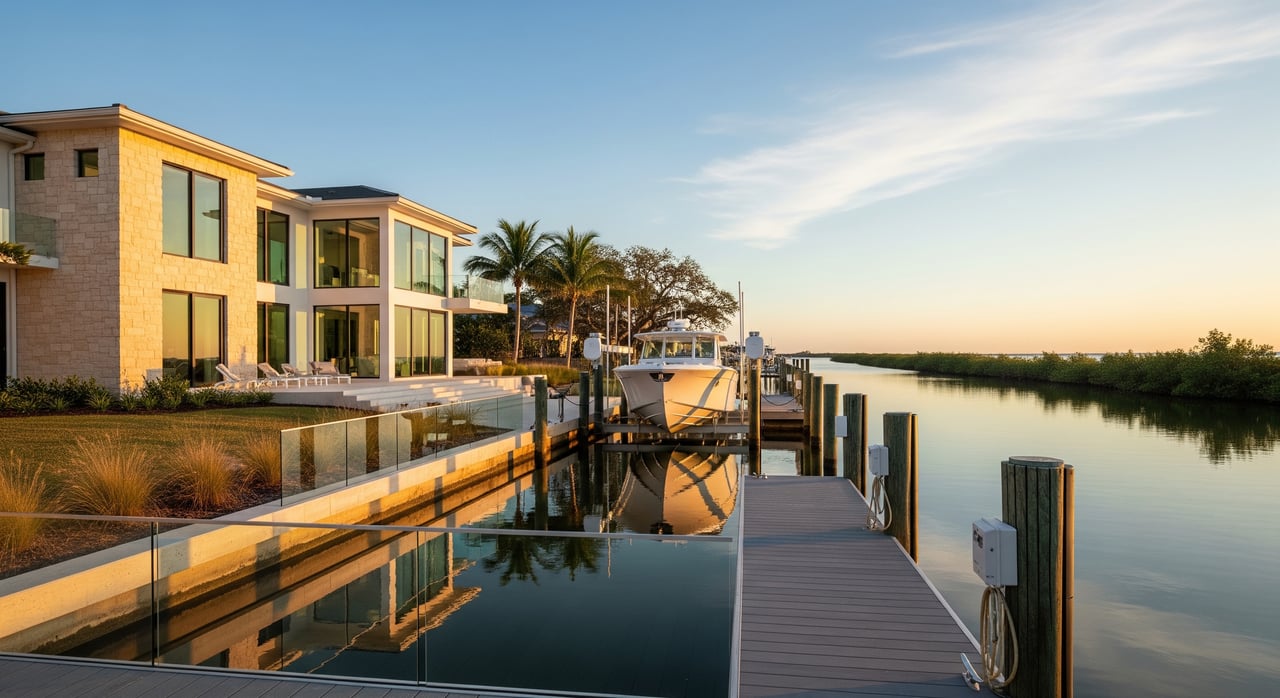
Picture your morning coffee on a quiet canal, pelicans gliding by as boats idle toward the Gulf. If that sounds like your pace, Hernando Beach might be on your shortlist. You want a relaxed coastal lifestyle, easy water access, and a community that still feels small. This guide gives you a clear, practical picture of daily life so you can decide if Hernando Beach fits your goals. Let’s dive in.
Hernando Beach snapshot
Hernando Beach is a small waterfront community in Hernando County on Florida’s Gulf Coast. Homes line a network of canals, and many lots have private docks. Daily life centers on boating, fishing, and low-key coastal routines rather than dense urban amenities.
You will meet a mix of year-round locals and seasonal residents. The rhythm tends to be slower, with social time at marinas, neighborhood docks, and local restaurants. If you want direct access to Gulf recreation and a small-community feel, it is a strong match.
Boating and canal access
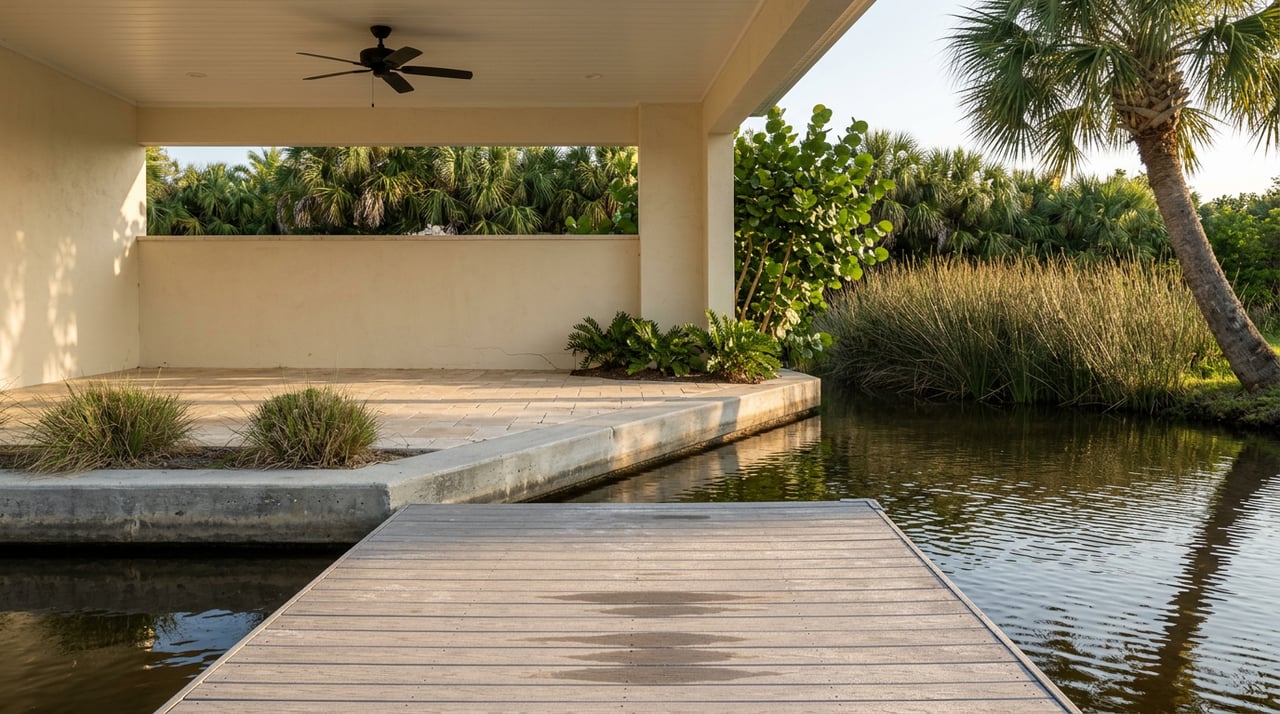
Canals are the backbone of the neighborhood. Many properties offer private docks, and some areas provide quick access to the open Gulf. On weekends and holidays, expect more boat and trailer activity, especially in peak season.
Local marinas and service providers offer fuel, maintenance, and haul-out options in the area and nearby communities. If you plan to keep a boat, confirm slip availability, HOA dock rules, and any limits on boat size or wakes tied to canal width.
Canal living basics
- Confirm canal depth and channel maintenance history before you buy.
- Ask for dock and seawall permits and maintenance records.
- Review no-wake zones and speed limits, and follow Florida boating safety laws.
Boat traffic rhythms
Weekends and high season bring more activity on the water. If you want quieter surroundings, visit homes during weekend afternoons and at sunset. Talk with neighbors about holiday patterns so you know what to expect.
Outdoor recreation and wildlife
Fishing is a core part of life here. Inshore and nearshore trips are common, and seasonal scalloping in nearby Gulf waters is a favorite for many residents. You will also see plenty of kayaking, paddleboarding, and birding.
Natural attractions are within a reasonable drive, including coastal preserves, rivers, and springs. In wild or brackish areas, you may encounter wading birds, marine life, and occasional nuisance wildlife. Stay aware, give animals space, and follow posted guidelines.
Dining, shopping, services
Local options lean toward mom-and-pop seafood spots, tiki bars, and convenience services that cater to boaters and visitors. For larger grocery stores, broader dining, medical offices, and general retail, you will head to nearby Spring Hill or Brooksville. For specialty shopping, entertainment, and major medical centers, plan on traveling to larger suburban or metro areas.
Seasons, weather, crowds
Two distinct patterns shape life here:
- Fall to spring brings more seasonal residents. Restaurants and marinas feel busier, and community events tend to cluster in these months.
- Summer is hotter and more humid, with frequent afternoon storms. It is also hurricane season, which runs June through November according to the National Hurricane Center.
Plan errands, reservations, and boat launches around peak times. Register for county alerts and keep a storm plan ready with Hernando County Emergency Management.
Getting around and commutes
You will rely on a car for most daily needs. Local county roads and state routes connect Hernando Beach to nearby towns. Expect congestion along U.S. 19 and other commuter corridors during peak hours.
Commuting to Tampa or St. Petersburg is possible, but plan on an hour or more depending on traffic. Public transit in the county is limited compared with larger metros, and rideshare coverage exists but may have longer waits in lower-density coastal neighborhoods.
Homes, costs, and upkeep
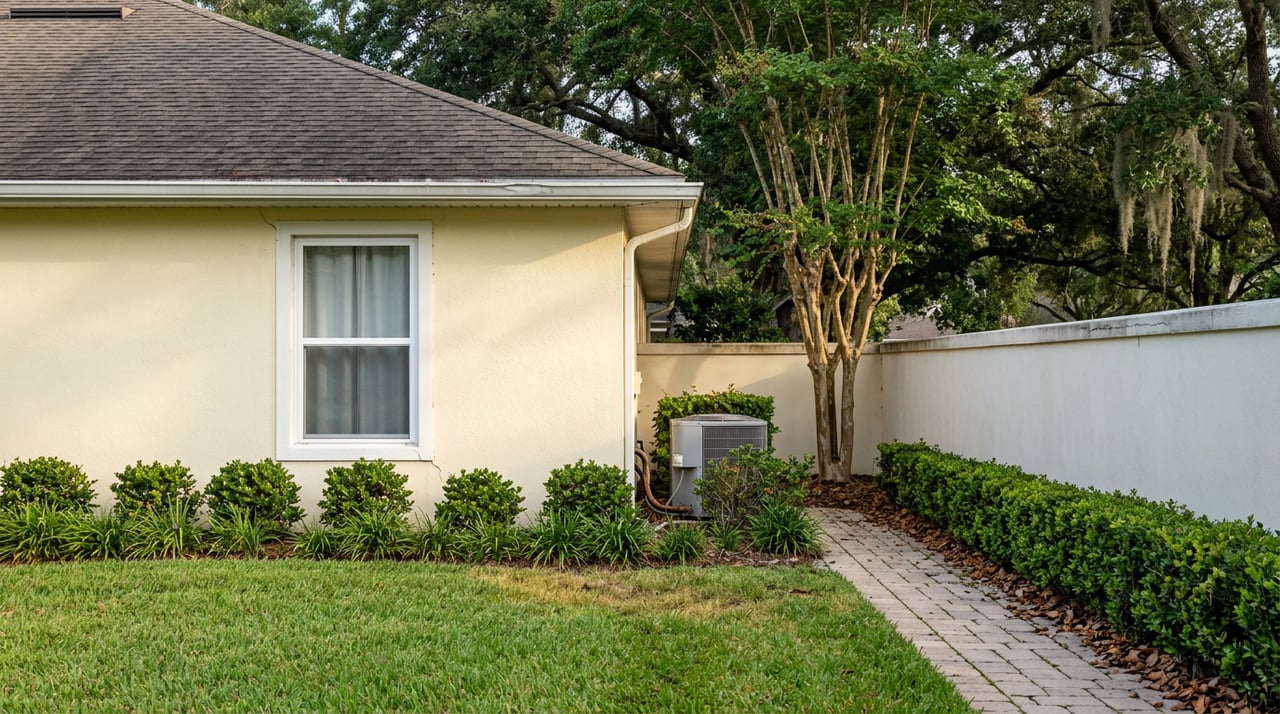
Most properties are single-family homes. Many sit on canals, with seawalls and docks. You will see modest cottages, raised homes on pilings, remodeled properties, and some newer builds. Lot shapes can vary along the water, and some locations sit in low-elevation or tidal zones that influence construction methods and insurance needs.
Waterfront homes typically command a premium over similar inland homes. Seasonal demand can influence activity, with more showings and closings in the fall through spring months.
Recurring costs to plan for:
- Flood insurance and wind or hurricane coverage are common for canal-front homes. Premiums vary based on FEMA flood zone, elevation, and claims history.
- Property taxes are based on Hernando County assessments. Some areas may have HOA or marina fees.
- Maintenance items include seawalls, docks, pest control, and moisture management. Waterfront properties can have higher upkeep, so budget accordingly.
Buyer due diligence checklist
Do these checks early so there are no surprises later.
- Pull FEMA flood zone info and request an elevation certificate. Start at the FEMA Flood Map Service Center.
- Ask for flood and wind insurance quotes from multiple carriers.
- Verify dock and seawall permits, maintenance records, and responsibilities.
- Confirm canal depth, dredging history, and wake rules with local marinas or county waterways staff.
- Check utilities, including septic versus sewer, and any known capacity limits.
- Understand building code requirements for elevation and reconstruction after storm damage.
- Visit at different times, including weekends and a summer afternoon, to gauge boat noise and traffic.
Safety and hazards to plan for
Hernando Beach is in a hurricane-prone region. Storm surge and flooding are the primary risks for canal-front and low-elevation areas. Prepare for potential evacuations and power outages during peak season.
Use county resources for evacuation zones and shelter updates, and enable emergency alerts with Hernando County Emergency Management. Monitor tropical systems with the National Hurricane Center. For ongoing water quality and environmental advisories, check the Florida Department of Environmental Protection.
Crime patterns can vary by micro-area. Waterfront communities sometimes see theft from unsecured docks or boats. Review current data with the Hernando County Sheriff’s Office and use common-sense security habits.
Is Hernando Beach a fit for you?
Pros
- Direct waterfront lifestyle with strong boating and fishing access.
- Relaxed, small-community coastal character.
- Natural attractions within a reasonable drive.
Tradeoffs
- Elevated flood and storm risk that can increase insurance costs.
- Limited walkable urban amenities within the neighborhood.
- Seasonal crowding and heavier weekend boat and restaurant traffic.
- Longer commutes to major job centers.
Plan your visit like a local
You will learn the most by seeing the neighborhood across seasons and times of day. Use this mini plan to get a realistic snapshot.
- Visit once in winter and once in summer, including a weekend afternoon.
- Time a grocery run and a dinner out to see parking and crowds.
- Talk with a marina about canal depths, fuel access, and slip availability.
- Drive key commute routes during rush hour.
- Price insurance with your property’s specific elevation data and flood zone.
- For school assignments tied to your address, confirm with the Hernando County School District.
- Review recent crime maps with the Hernando County Sheriff’s Office.
Work with a local guide
Buying on the water involves more variables, from flood zones to seawalls and dock permits. You deserve contract-savvy guidance and hyperlocal insight so you can move forward with confidence. If you want a clear, step-by-step plan tailored to your goals, reach out to The Philhower Group for neighborhood-first advice and a smooth, well-managed transaction.
FAQs
What is daily life like in Hernando Beach?
- Expect a relaxed, small-community coastal pace with boating, fishing, and casual dining, plus regular trips to nearby towns for larger shopping and services.
How does hurricane season impact residents?
- Hurricane season runs June through November, so most residents maintain supplies, watch forecasts from the National Hurricane Center, and keep evacuation plans current with county alerts.
Do most canal homes require flood insurance?
- Many canal-front and low-elevation properties fall within FEMA flood zones, so you should verify the specific zone and elevation, then get quotes before you make an offer.
What should I check for docks and seawalls before buying?
- Ask for permits and maintenance records, inspect seawall age and condition, confirm responsibilities, and verify canal depth and wake rules with local providers.
Where can I verify school zones for an address?
- School assignments depend on your address, so confirm current boundaries and options with the Hernando County School District.