Two canal homes on the same street in Hernando Beach can sell for very different prices. If you are buying or selling, that can feel confusing. The good news is there are clear, predictable factors that drive value on the water. In this guide, you will learn what matters most, how to verify it, and what to prioritize before you make an offer or list your home. Let’s dive in.
Canal access basics in Hernando Beach
Hernando Beach is a Gulf Coast community where many homes sit on man-made or natural canals. Not all canals offer the same experience. Depth, width, tides, and the route to open water vary by canal and even by lot. Small shifts in these features can change buyer demand and appraised value.
Before you fall in love with a view, confirm navigation details. Check current tide data and local charts through authoritative sources such as NOAA tide data. Ask about any recent or planned dredging and verify what size boats regularly use your canal. Small constraints can add up to big lifestyle differences.
Waterway features that add value
Canal width and space
Wider canals usually command a premium. You can maneuver larger boats more easily, enjoy more privacy, and take in broader water views. Narrow canals limit turning radius and may be best for smaller boats or kayaks.
Appraisers adjust for usability. If a canal’s width limits docking or a second slip, that reduced function often shows up as a price adjustment. When you compare options, look at both the width at your lot and across the canal.
Depth and tides
Depth at mean low water determines the maximum draft you can use and whether a boat lift is practical. Confirm the typical low-tide depth and any history of shoaling. Local marinas and marine surveys can help, and verified tide data from NOAA is useful context.
Insufficient depth can shrink your buyer pool at resale. It may also require dredging, which means permits and added cost. If you plan on a larger boat, make depth a top due diligence item.
Route to Gulf and constraints
The distance and ease of getting to the Gulf matters. Buyers who want quick offshore access often pay more for shorter routes with fewer slow zones. Fixed bridges, narrow channels, and local speed restrictions can limit certain boats and lower value for buyers focused on fast access.
Ask about clearance heights, posted speed limits, and any known bottlenecks. A longer winding route is not a dealbreaker for everyone, but it can reduce demand among serious boaters.
Orientation and views
Sunrise or sunset views, open water vistas, and unobstructed sightlines add desirability. Orientation also impacts wind exposure and wave action. Sheltered coves may feel calmer, while open canals can bring more chop on windy days. Choose what fits your lifestyle and boating habits.
Waterfront infrastructure essentials
Seawall condition
Seawalls are among the most expensive waterfront components and they are highly visible to buyers and appraisers. Materials vary. Treated timber tends to have a shorter lifespan than concrete or vinyl and steel sheet piling. Actual life depends on installation quality and exposure.
Look for signs of distress such as bowing, settlement, undermining at the ends, or rot. Most buyers will ask for a marine specialist to inspect the seawall. Repairs and replacements typically require county and state permits, and some projects may involve the U.S. Army Corps of Engineers.
Dock, lift, and utilities
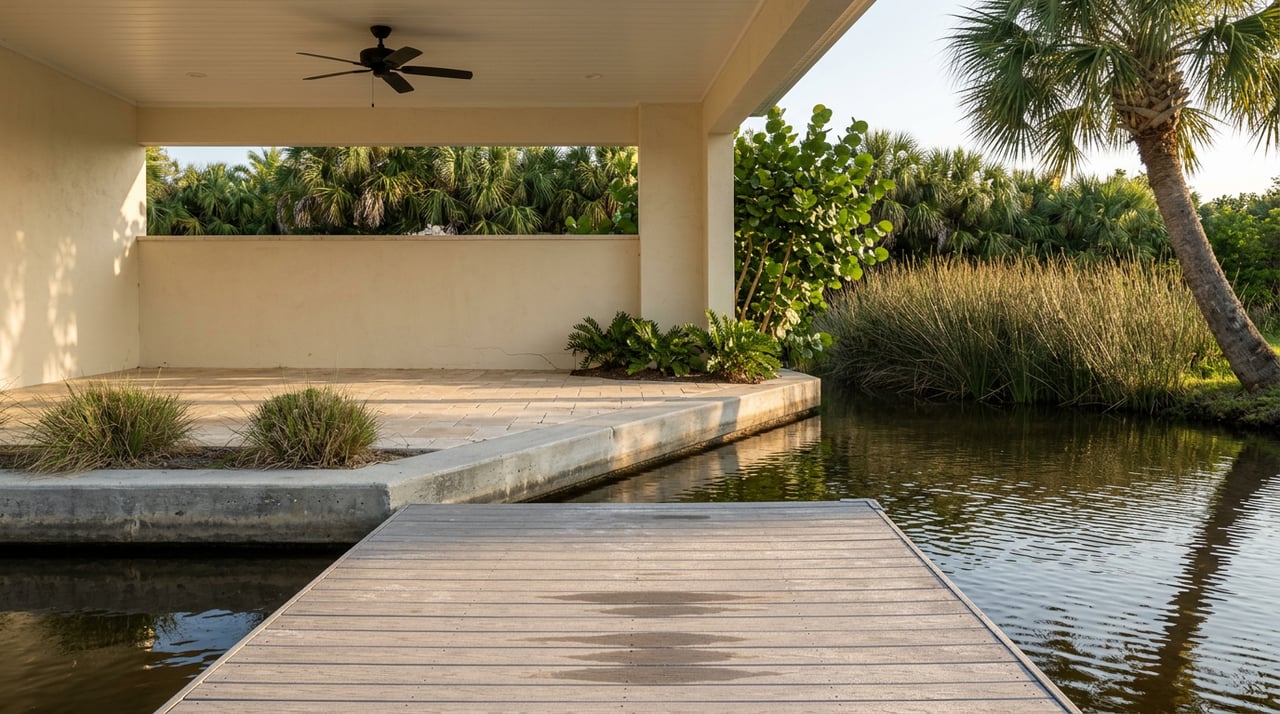
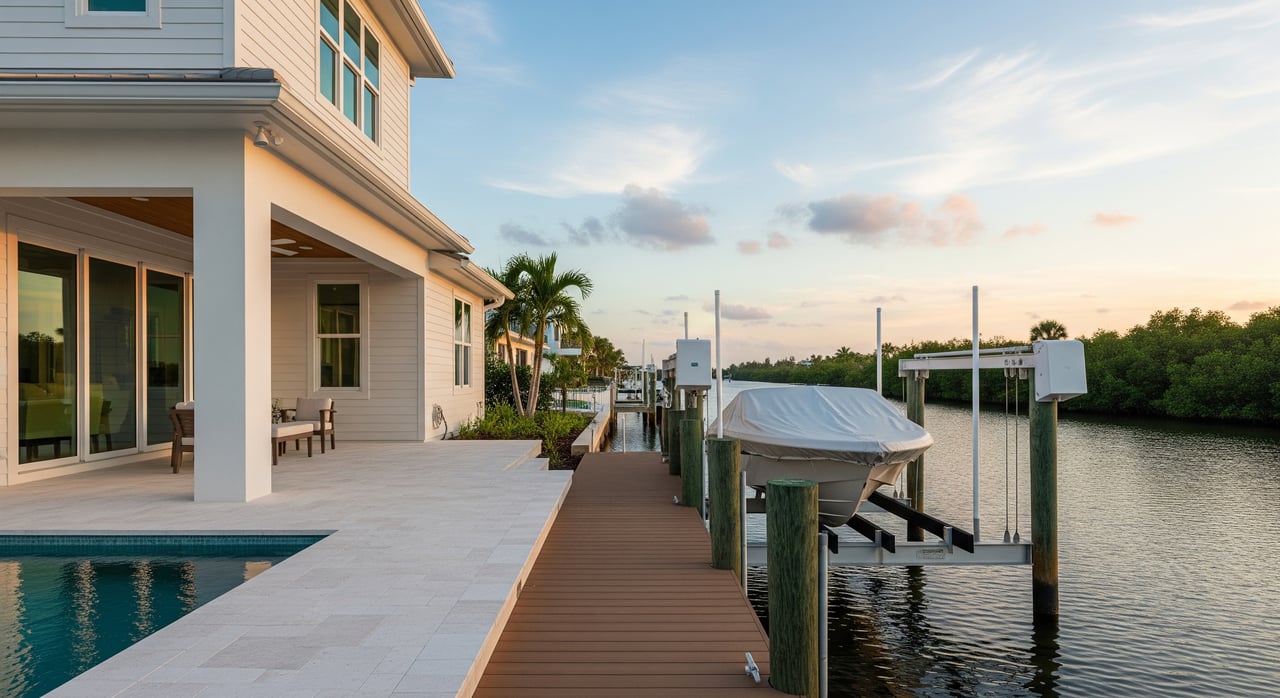
A permitted, functional dock with a boat lift and water or electric service adds strong market appeal. Buyers value a turnkey setup. If the dock is deteriorated or unpermitted, expect price pressure or repair negotiations.
Confirm permit records, lift capacity, and slip length. Davits versus fixed lifts is a preference call, but documented, permitted installations are easier to finance and appraise.
Waterfront frontage and setbacks
The linear feet of usable frontage affects how many slips you can support and the size of the boats you can berth. Setback and side-yard rules can also limit dock placement. Verify your survey and local setbacks before planning improvements.
Home condition and resilience
Core systems and structure
Condition and quality still matter on the water. A recent roof, modern HVAC, and safe electrical and plumbing systems reduce risk and can improve appraisals. On the coast, salt air accelerates corrosion, so metal roofs and exterior hardware need attention.
When in doubt, invest in the big-ticket system health before cosmetics. Buyers will notice and lenders will care.
Outdoor living upgrades
Screened lanais, covered outdoor kitchens, and well-designed dock-side seating areas enhance day-to-day enjoyment. Permanently permitted and hurricane-rated enclosures boost perceived resilience and value.
Focus on durable, low-maintenance materials that handle sun and salt. Thoughtful lighting and shade add comfort without high upkeep.
Elevation and storm features
Elevation relative to Base Flood Elevation affects insurance costs and lender acceptance. Impact-rated windows, reinforced roof tie-downs, and engineered foundations reduce risk and can help with insurability.
Buyers and lenders often request FEMA elevation certificates. You can look up flood map data through the FEMA Flood Map Service Center and share a current elevation certificate during underwriting.
Permits that protect value
Permitted work is appraiser-friendly. Unpermitted additions or dock work can lead to lender issues and appraisal deductions. Keep a clean paper trail: issued permits, final inspections, engineering reports, and warranties.
For coastal and in-water work, expect to coordinate with county permitting, the Florida Department of Environmental Protection, and possibly the U.S. Army Corps of Engineers. Learn more about environmental permitting through FDEP’s Environmental Resources program and federal permits through USACE Jacksonville Regulatory.
Market and financial factors
How appraisers weigh features
Appraisers start with waterfront comparables and then adjust for frontage, canal width and depth, dock and lift presence, view quality, and condition. Unique advantages like rare deep-water access can be hard to quantify if comps are limited, which can sometimes cause valuation variance.
If you have features without many local comparables, expect a wider appraisal range. Clear documentation and third-party reports help support value.
Insurance costs and lending
Flood and wind insurance can be higher for coastal properties. Availability and premiums in Florida have been important market factors. Lenders may require elevation certificates or proof of seawall condition before closing.
Insurance costs affect affordability. Get quotes early and ask your agent which mitigation features could lower premiums. For state-level context, explore the Florida Office of Insurance Regulation.
Supply, demand, and seasonality
Turnkey lots with deep or direct Gulf access are scarce, which supports higher prices in many cycles. Larger inventories of canal homes with shallow access or failing seawalls can weigh on prices.
Seasonal demand and second-home buyers also influence momentum. Timing and presentation matter, especially when northern buyers are active.
Smart renovation priorities
Invest first in risk-reducing upgrades: seawall evaluation and repairs, permitted dock with lift, roof and HVAC, and elevation or storm-hardening features. Kitchen and bath updates add appeal, but they may not overcome deficiencies in waterfront infrastructure.
If budget is limited, tackle safety, structure, and insurability first. Cosmetic work shows best after core systems are sound.
Due diligence checklists
Buyer must-have inspections
- Seawall or bulkhead inspection by a marine specialist
- Dock and boat lift inspection, including electrical and anchorage
- Marine or depth survey at low tide for draft confirmation
- FEMA elevation certificate and flood zone verification
- General home inspection for roof, HVAC, plumbing, and electrical
- Title and easement search for riparian rights or shared seawalls
Seller prep documents
- Permit history for seawall, dock, and renovations with final approvals
- Recent seawall repair invoices, engineering reports, and warranties
- Current property survey with water frontage marked
- Dredging history documentation if applicable
- Current flood insurance declarations and recent premiums
Negotiation hotspots
- Credits or escrow for seawall or dock repairs the seller cannot complete
- Contingencies tied to a satisfactory marine survey and low-tide depth
- Responsibility for final permits on any in-progress work
Local resources and next steps
Before you write an offer or list your canal home, verify details with trusted sources. Confirm navigation and tides through NOAA tide data. Check your flood zone at the FEMA Flood Map Service Center. Review environmental rules with FDEP’s Environmental Resources program, and confirm any in-water work permitting with USACE Jacksonville Regulatory. For boating and wildlife zones, consult Florida Fish and Wildlife Conservation Commission’s manatee protection pages.
If you want local clarity on which Hernando Beach streets offer quicker Gulf routes, typical canal depths, or recent dredging patterns, connect with a neighborhood-based team. We will help you line up inspections, confirm permits, and position your sale or purchase with confidence.
Ready to talk strategy for your Hernando Beach canal home? Reach out to The Philhower Group to compare value drivers, plan improvements, and price or shop with data on your side. Get your free home valuation & consultation.
FAQs
What affects Hernando Beach canal home prices most?
- Canal depth and width, route to the Gulf, seawall condition, presence of a permitted dock and lift, elevation and storm features, and overall home condition are the primary drivers.
How do I verify canal depth and tides before buying?
- Request a marine or depth survey at low tide and review local tide data from NOAA; ask about any dredging history affecting your canal.
Do seawall issues always lower offers?
- Yes, buyers typically reduce offers to offset expected repair or replacement costs, or they ask for escrowed repairs, given the risk and permitting required.
Will a permitted dock and lift boost value?
- A permitted, functional dock with a lift usually adds strong appeal, while an unpermitted or deteriorated setup can become a negotiation hurdle.
How do flood zones and elevation affect insurance?
- Elevation relative to Base Flood Elevation drives flood insurance needs and premiums; you can check maps at the FEMA Flood Map Service Center and share an elevation certificate with your lender.