Thinking about selling your Hernando Beach home but not sure if you should make repairs or sell as-is? On the water, the decision can feel bigger because docks, lifts, seawalls, roofs, and insurance all play a role. You want a smooth sale and the best possible bottom line without surprises. This guide walks you through what matters most on the coast, how financing and insurance impact your options, and a simple framework to compare as-is versus repairs so you can move forward with confidence. Let’s dive in.
Hernando Beach realities
Hernando Beach is a Gulf-access community where marine features are part of the property. Salt air, tides, and storms add wear to roofs and systems, and marine structures require attention. Flood zones and elevation can affect insurance and the paperwork buyers will request.
The mix of buyers ranges from boaters and seasonal residents to investors. In low-inventory markets, buyers may accept more deferred maintenance. When inventory rises, condition becomes more important. Your repair decision should reflect current local supply and the likely buyer pool for your home.
Permits matter here. Docks, boat lifts, and seawalls often involve county and state permitting. If work was done without permits, it can become a negotiation or closing issue. Plan to gather your permit history and any service records before you list.
What buyers expect on the water
Seawall or bulkhead
A functioning seawall protects your land from erosion and flooding. If it shows significant deterioration, lenders, appraisers, and insurers may flag it. Major repairs can be complex and require engineers, marine contractors, permits, and time. Collect inspection reports, photos, and any prior permits or bids so buyers understand the condition.
Dock and boat lift
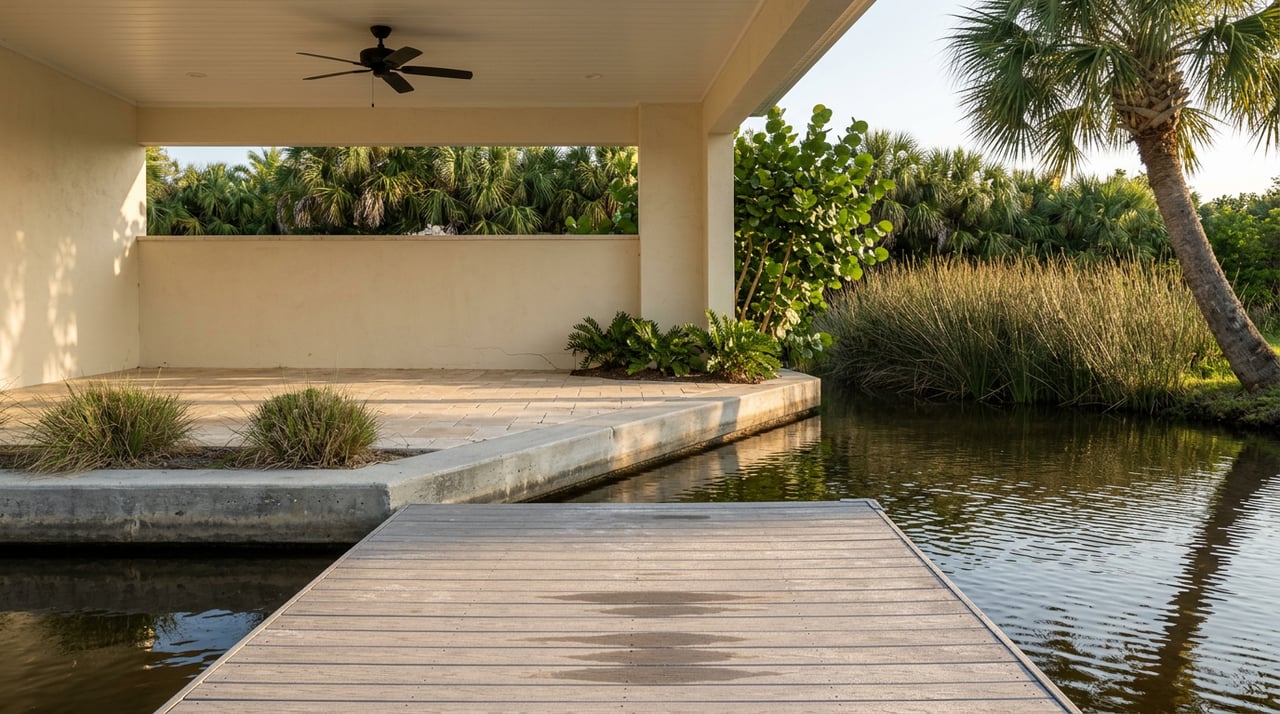
For Hernando Beach buyers, a safe, functional dock and lift are core amenities. While docks are often considered ancillary in appraisals, unsafe structures can trigger repairs through inspection contingencies. Service records, load ratings, and recent maintenance on the lift build buyer confidence and help streamline negotiations.
Roof condition
Roof age and remaining life get close attention along the coast. Some lenders and insurers need evidence the roof has reasonable remaining life. If your roof is near the end of its life, that can limit buyer financing or insurance options. A roof inspection and written life estimate help you make a clear repair decision.
Systems and safety issues
HVAC, electrical, plumbing, and the water heater should be functional and safe. Inoperable systems or hazards can delay or block loans or increase requested credits. Service records and recent inspections can minimize surprises after a buyer’s inspection.
Cosmetic updates that sell
Fresh paint, clean flooring, decluttering, and simple curb appeal help listing photos and showings. Cosmetic work usually carries a lower cost with solid marketing impact, especially when paired with professional staging and photography.
Financing, appraisal, and insurance basics
Different loan programs set different condition standards. Conventional loans may allow more flexibility than FHA or VA, which often have stricter minimum property standards. Appraisers can call out safety or habitability issues that need resolution before closing.
Coastal insurance is another factor. Homes in certain flood zones usually require flood insurance for financed buyers. Roof age, seawall condition, or unsafe dock components can influence a buyer’s ability to secure coverage. Be prepared to provide roof age, service records, and any elevation or flood documentation you have.
Florida sellers must disclose known material defects. Use a comprehensive property disclosure and include relevant marine structure and flood history details. If you know of unpermitted work, disclose it. Clear documentation reduces risk of post-closing issues and supports a smoother transaction.
A simple framework to decide
Step 1: Get objective inspections
Schedule a pre-listing home inspection plus specialized inspections for the seawall, dock, lift, and roof. Ask for written reports and photos. For major items, gather two to three bids from licensed local contractors who know Hernando County permitting.
Step 2: Compare local comps
Work with your agent to pull recent Hernando Beach waterfront sales and current listings that match your access, frontage, and marine structure condition. Note price differences between properties with strong docks and seawalls and those sold as-is. This shows the likely market penalty or upside for your home.
Step 3: Run the net proceeds math
For each path, calculate your estimated bottom line:
- Estimate sale price: based on comps under each scenario (as-is, selective repairs, full repairs).
- Add repair costs: contractor bids plus permit fees and any engineering.
- Add holding costs: taxes, insurance, utilities, loan interest, and any staging while work is completed.
- Include time-to-contract: repairs can delay listing, while as-is may extend days on market if pricing does not reflect condition.
- Net proceeds: expected sale price minus repair costs, holding costs, expected concessions, and standard selling costs.
Run both conservative and optimistic versions to understand your range. Choose the path that maximizes net proceeds while minimizing deal risk.
Step 4: Choose your strategy
Common, effective options include:
- Sell as-is at a condition-reflective price. This can attract cash buyers or investors and may lead to faster offers if priced correctly.
- Fix major or safety items only. Address the roof, significant electrical hazards, or seawall stabilization to open up more financing and insurance options.
- Complete full repairs for maximum appeal. If the price lift likely exceeds repair and holding costs, this can expand your buyer pool and support stronger terms.
- Use hybrid tools. Offer credits, provide a home warranty for mechanicals, or agree to escrow for defined repairs where lender guidelines allow. Share receipts, permits, and warranties to build trust.
Step 5: Plan for timing
Marine and roofing work can involve permits, contractor backlogs, and weather windows. If listing during hurricane season, plan accordingly. For quick improvements before photos, prioritize decluttering, paint, landscaping touch-ups, and small repairs that improve first impressions.
Quick checklists for sellers
Immediate actions
- Order a general home inspection plus marine inspections for the seawall, dock, and lift.
- Request a roof inspection with a written remaining life estimate.
- Collect two to three bids for any major repairs, including permit timelines.
- Review 6 to 12 months of Hernando Beach waterfront comps with your agent.
- Confirm your flood zone and gather any Elevation Certificate or flood policy details.
- Pull your Hernando County permit history and identify any unpermitted work.
- Speak with a local lender about common underwriting flags for coastal homes.
Documents to gather
Completed seller property disclosure.
Pre-listing inspection reports and specialist reports.
Roof receipts, inspection, and warranty documents.
Dock and lift service records, inspection notes, and load ratings if available.
Seawall inspection or engineer report and permit history.
Contractor bids and invoices for past work.
Prior permits and final approvals.
Elevation Certificate and flood insurance details.
Receipts for HVAC, plumbing, and electrical servicing.
Photos of issues and completed repairs.
Who to consult
- Licensed home inspector and marine contractor.
- Structural or coastal engineer for seawall issues.
- Licensed roofer with coastal experience.
- Licensed HVAC, electrical, and plumbing contractors.
- Local appraiser or agent familiar with Hernando Beach waterfront comps.
- Local lender for program-specific condition requirements.
- Insurance agent with Florida coastal policy experience.
Bringing it all together
Selling as-is can make sense if the price reflects needed work and your likely buyers are cash or investor focused. Completing key repairs can widen your buyer pool, reduce financing and insurance hurdles, and support stronger offers. Your best choice comes from solid inspections, local comps, real cost estimates, and clear disclosure.
If you want a data-backed plan tailored to your property, we’re here to help you compare as-is versus repairs and manage the details. Reach out to The Philhower Group for a no-pressure consult and marketing plan.
FAQs
What matters most when selling a Hernando Beach waterfront home?
- Focus on the seawall, dock and lift safety, roof life, and core systems, since these influence buyer confidence, financing, insurance, and appraisals.
How does seawall condition affect my sale and insurance?
- Significant seawall deterioration can raise lender and insurer concerns, which may lead to required repairs, credits, or a smaller buyer pool.
Should I replace my roof before listing?
- If the roof is near end of life, replacement or a documented life estimate can improve insurability and financing options, which may increase buyer interest.
Can I sell as-is and still attract financed buyers?
- Yes, if safety and habitability items are addressed; FHA and VA often have stricter standards, so plan for repairs, credits, or pricing that aligns with condition.
Do I need permits for dock or lift repairs in Hernando Beach?
- Most marine work requires permitting through local and state authorities; gather your permit history and consult experienced local marine contractors before starting work.
What if prior work was unpermitted?
- Disclose known unpermitted work and discuss options with your agent, which may include retroactive permitting, buyer credits, or clear as-is pricing.