Dreaming of a canal-front getaway that helps pay for itself? If Hernando Beach is on your radar, you are not alone. Waterfront access, Weeki Wachee adventures, and proximity to Tampa make it a compelling place to host vacationers. In this guide, you will learn the rules, taxes, demand drivers, costs, and due-diligence steps that matter most for short-term rentals in Hernando Beach. Let’s dive in.
Why Hernando Beach attracts guests
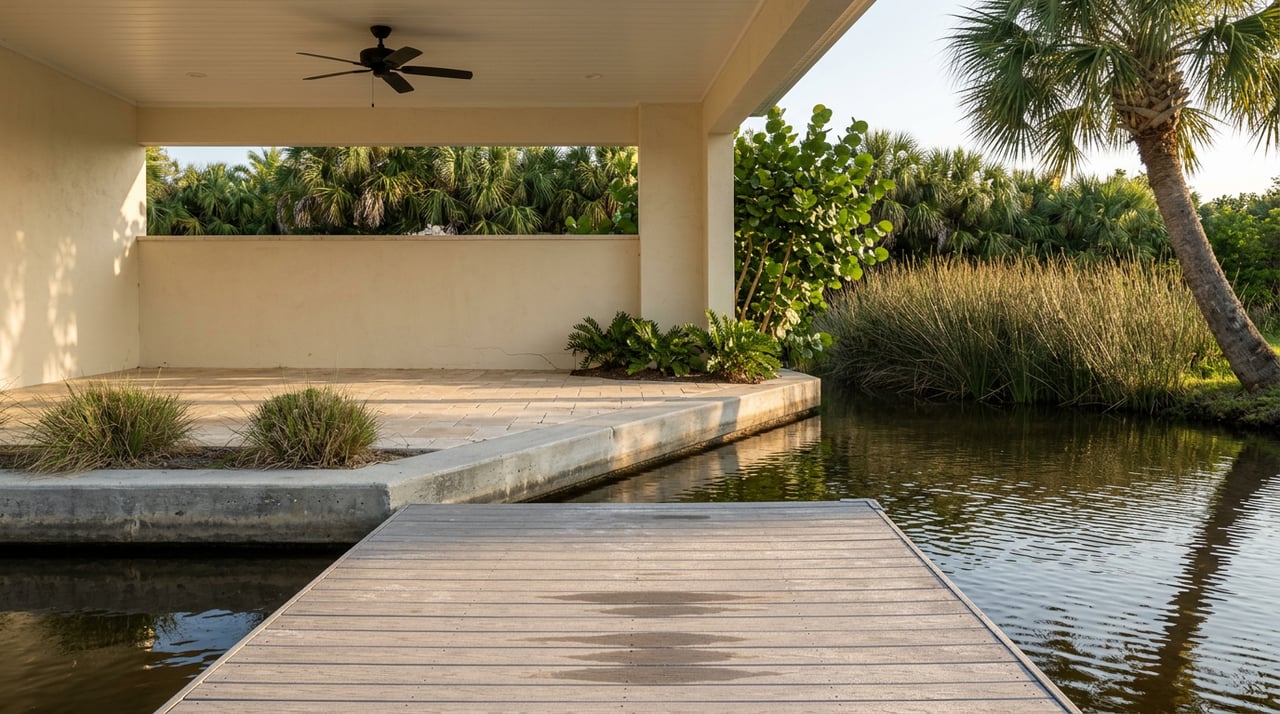
Hernando Beach sits on Florida’s Nature Coast, known for fishing, boating, and relaxed Gulf living. Guests come for easy water access, calm canals, and day trips to springs and river parks. County parks and preserves highlight what visitors love: boat ramps, docks, and nature-forward experiences.
- Boating and fishing: Public ramps and marinas make it simple to launch and explore.
- Weeki Wachee area: Springs, river kayaking, and a classic Florida roadside attraction draw steady traffic.
- Day trips: Manatee viewing and Crystal River excursions are close enough for an easy outing.
You can browse local park and ramp options through the county’s listings of parks and preserves. The waterfront lifestyle is the anchor, and that is what many short-term renters seek in this area.
Rules and taxes you must follow
Short-term rentals in Hernando Beach sit at the intersection of Florida state licensing and Hernando County tax and enforcement. Plan for both.
Florida DBPR licensing basics
Florida treats many whole-home vacation rentals as transient public lodging. If you rent the entire home more than three times in a calendar year for periods under 30 days, or you hold it out as regularly rented, you likely need a state vacation-rental license. The state guide explains license types, safety requirements, human-trafficking awareness posting, balcony inspections, and recordkeeping. Review Florida’s vacation-rental guidance from the Department of Business and Professional Regulation for the exact thresholds and safety rules. You can find the full DBPR vacation rental guide at the state’s website: DBPR vacation rental guide.
County tourist tax and sales tax
Hernando County imposes a 5% Tourist Development Tax on rental stays of six months or less. You must register the property with the county and file monthly reports through its Host Compliance system, even if you have zero bookings that month. Some booking platforms may collect and remit certain taxes for you, but you remain responsible for registration, returns, and any amounts not covered. The Clerk’s office outlines registration steps, deadlines, penalties, and how the local sales tax layers onto your pricing structure. Start with the county’s page on the tax and reporting rules: Hernando County Tourist Development Tax.
The combined state and local sales tax is commonly cited at 6.5%. Confirm the current rate with the Florida Department of Revenue and the county before you finalize your pricing model.
Local enforcement and registration trends
Florida limits local governments from banning or setting minimum rental periods unless rules predate June 2011. Localities can still regulate parking, occupancy, noise, and safety. In February 2026, Hernando County’s Board of County Commissioners discussed a draft ordinance that would require Certificates of Use for short-term rentals and adopt state lodging provisions for enforcement. Details can change during the legislative process, so verify the latest county action before you list: Hernando County draft certificate-of-use coverage.
Zoning, HOAs, and neighborhood fit
A parcel that is eligible for transient use under state and county rules can still be restricted by private covenants. Many Hernando Beach homes sit in neighborhoods with recorded declarations or HOA rules that set minimum lease lengths or prohibit short-term rentals outright.
- Review recorded covenants, condo bylaws, and HOA rules as early as possible.
- Get the association’s rental policy in writing and confirm any application or approval steps.
- Do not rely solely on a listing description; ask for the documents and read them.
Florida associations often have authority to regulate leasing under their governing documents. A Florida legal guide offers a clear overview of how HOA and condo rules can limit short-term use: Association leasing and short-term rental overview.
Operations and costs to model
Once you clear the legal path, the economics come down to your management approach, cleaning and turnover, insurance, and maintenance. Model each item with local quotes before you commit.
Management options and fee ranges
You can hire a full-service manager for end-to-end operations or choose a lighter, marketing-first option and keep some tasks in-house.
- Full-service management: Many operators charge about 20% to 35% of gross rental revenue for marketing, guest support, housekeeping coordination, and maintenance. Public filings from large operators illustrate these ranges: Management fee ranges in public filings.
- Marketing-only or hybrid: Lower percentage fees are common, but you handle local turnover and vendors. Compare scope, damage protection, linens, and dynamic pricing tools.
Your net cash flow depends on the fee structure, owner-paid expenses, and how effectively pricing and occupancy are managed across seasons.
Cleaning and turnover
Turnover cost is a major line item. Industry guides show a wide range that depends on size and complexity, with coastal homes landing on the higher end. A useful benchmark is roughly 65 to 200 dollars or more per turnover. Plan for schedule gaps, linens and supplies, and quality control. See example ranges and planning considerations here: Cleaning fee benchmarks and tips.
Insurance, flood, and wind exposure
Hernando Beach is coastal, so flood, wind, and hurricane risk must be part of your underwriting.
- Flood zones: Use the FEMA Map Service Center to check whether the structure is in a Special Flood Hazard Area. If it is, lenders typically require flood insurance and an elevation certificate: FEMA Map Service Center.
- Policy selection: Compare National Flood Insurance Program options with private-market quotes. FloodSmart explains coverage basics and requirements: FloodSmart overview.
- Wind and hurricane: Expect higher property insurance premiums and windstorm deductibles for coastal properties. Build a reserve for storm-related repairs and mitigation.
Maintenance and guest expectations
Factor in utilities, routine maintenance, appliance replacement, landscaping, and pool or hot tub service where applicable. Guests in Hernando Beach expect reliable air conditioning, fast Wi‑Fi, clear house rules, and easy access to water activities. Waterfront guests often look for functional docks, safe boat tie-ups, and clear guidance on local boating and fishing.
Seasonality and pricing strategy
Like much of Florida’s Nature Coast, demand often peaks in winter months and around holidays, then tapers in shoulder seasons. That makes dynamic pricing and minimum-stay rules important. If you are building a pro forma, avoid using statewide averages. Get address-level comps and recent performance from a local manager or a paid analytics provider so your ADR and occupancy assumptions reflect the canals, proximity to ramps, and property features that matter in Hernando Beach.
Step-by-step due-diligence checklist
Use this checklist to reduce surprises and protect your pro forma.
- Confirm zoning and local use
- Contact Hernando County Planning and Zoning to verify permitted use for the parcel and any special overlays. If the home is within a municipality or special district, check those rules as well.
- Pull and read HOA or condo rules
- Obtain recorded covenants, HOA bylaws, and any rental policy addenda. Look for minimum lease periods, approval procedures, and any caps on short-term use. For a high-level explanation of association authority, review this legal overview: Association leasing and short-term rental overview.
- Register for state and county taxes and licensing
- Register with Hernando County for the 5% Tourist Development Tax and set up monthly filing in the Host Compliance portal. Create your state sales tax account and, if you meet the threshold, apply for a DBPR vacation-rental license. Start here: Hernando County Tourist Development Tax and review the DBPR vacation rental guide.
- Check flood risk and insurance early
- Use the FEMA Map Service Center to confirm the flood zone. If in a Special Flood Hazard Area, request an elevation certificate and compare NFIP and private flood quotes. Learn basics at FloodSmart.
- Build a local pro forma
- Request recent ADR, occupancy, and seasonality data from local managers or a paid STR analytics provider. Public county reports do not provide property-level performance for Hernando Beach, so rely on local data instead of generic figures.
- Price management and cleaning accurately
- Solicit quotes from multiple managers. Full-service fees often range from about 20% to 35% of gross revenue, while lighter marketing-only options are lower but shift work back to you. Cross-check cleaning providers and linen programs. See fee ranges in public filings: Management fee ranges in public filings and cleaning benchmarks: Cleaning fee benchmarks and tips.
- Set house rules and a rapid-response plan
- Define parking capacity, quiet hours, and occupancy limits that align with local norms. Establish a reliable local point of contact who can address issues quickly to minimize neighborhood friction. Monitor platform messaging and keep clear documentation.
Risks to plan for
- Regulatory changes: The county has discussed adding Certificates of Use and enhanced enforcement. Track Board of County Commissioners updates before you market a property: Hernando County draft certificate-of-use coverage.
- Seasonality: Expect peaks and valleys. Your success hinges on dynamic pricing, mid-stay discounts in slower periods, and the right minimum-stay rules.
- Coastal exposure: Budget for higher insurance costs, windstorm deductibles, and storm-related maintenance. Validate flood zones through the FEMA Map Service Center and learn policy basics via FloodSmart.
What this means for your purchase
Hernando Beach can work well for short-term rentals, especially for waterfront and boat-access homes that match visitor demand. Your margin will depend on four things: clean title to rent without HOA limits, accurate insurance and flood assumptions, real comps for pricing and occupancy, and the management model you choose. If you love the location, move deliberately through the checklist, confirm the latest county requirements, and validate numbers with local quotes.
If you are weighing a Hernando Beach purchase, we can help you source the right properties, review key documents, and connect you with local vendors for quotes. Reach out to The Philhower Group for neighborhood-smart guidance and a clear plan from offer to closing.
FAQs
Do I need a Florida license to rent my Hernando Beach home short term?
- If you rent the whole home more than three times per year for less than 30 days, or hold it out as regularly rented, a DBPR vacation-rental license is typically required; review the state guide for specifics.
What taxes apply to short-term rentals in Hernando Beach?
- Hernando County charges a 5% Tourist Development Tax on stays of six months or less, and you must also collect applicable state and local sales tax; monthly county filings are required even for zero activity.
Will the county’s rules change for short-term rentals?
- The Board of County Commissioners discussed a draft ordinance in February 2026 that would require Certificates of Use and enhance enforcement, so confirm the latest status before you list.
Can my HOA stop me from renting short term?
- Yes, private covenants and HOA or condo rules can set minimum lease periods or restrict short-term use, so read recorded documents and obtain the rental policy in writing early.
How much do managers charge in Hernando Beach?
- Full-service vacation-rental managers often take about 20% to 35% of gross revenue, while lighter marketing-only options charge less but require you to handle local operations.
What ongoing costs should I budget for a coastal rental?
- Plan for cleaning and turnover, utilities, insurance with flood and wind coverage where needed, routine maintenance, pool service, landscaping, supplies and linens, and a capital reserve for big items.