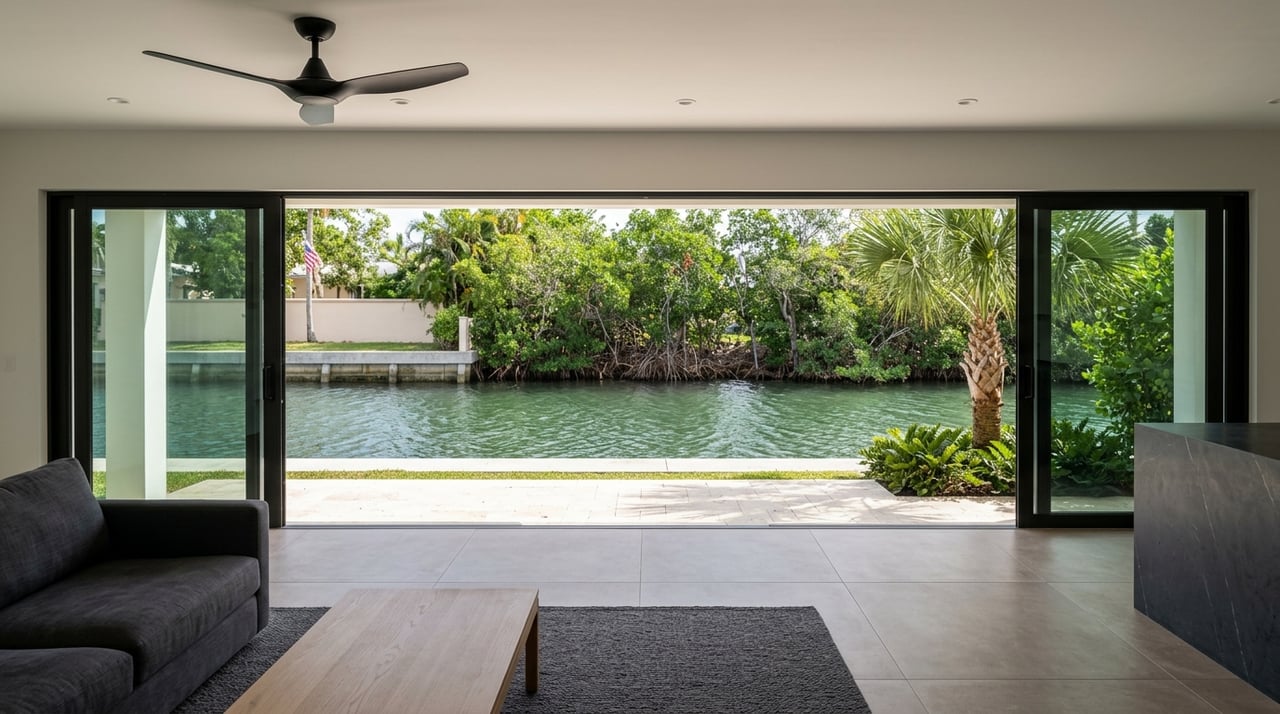
Buying a waterfront home in Hernando Beach can sound simple until you realize one big detail changes everything: not all canal access works the same. If you want to boat, fish, or head out to the Gulf with ease, the phrase “waterfront” only tells part of the story. Understanding how canal and Gulf access actually work can help you choose the right property, avoid surprises, and feel more confident as you move forward. Let’s dive in.
Why canal access matters
In Hernando Beach, many homes sit on canals, but the boating experience can vary from one property to the next. A home may be canal-front and still have a different route to open water than another home just a few streets away.
That is why buyers should look beyond listing language and ask how the route works in real life. The most useful question is not just whether the home is on the water, but how your boat gets from the dock to the Gulf.
How Hernando Beach water access works
Hernando Beach is a canal-based waterfront area on Hernando County’s Gulf coast. County planning and boating resources show a connected waterfront system with maintained navigational markers and public boating infrastructure.
According to Hernando County’s Boat Ramp Master Plan, the Hernando Beach Boat Ramp sits on the Hernando Beach Channel and provides direct access to the Gulf of Mexico. The county also maintains navigational markers and boat ramps throughout the waterfront network.
What canal-front usually means
“Canal-front” usually means the property backs up to a canal. That description tells you the home has water behind it, but it does not automatically explain whether the route to the Gulf is direct or whether it includes a lift or another controlled passage.
That distinction matters in Hernando Beach. Hernando County even treats canal issues as a separate planning category in its canal maintenance discussions for canals west of US 19.
What direct Gulf access usually means
In county documents, direct access is tied to the Hernando Beach Channel route that reaches the Gulf of Mexico. For buyers, direct access usually means fewer steps between your dock and open water.
While that is not presented by the county as a formal legal definition, it is a practical way to think about convenience. If your goal is to spend less time navigating and more time boating, this is an important detail to confirm.
What indirect Gulf access usually means
Some parts of Hernando Beach reach the Gulf through a more controlled route. County meeting records note that the Hernando Beach South boat lift was installed in the 1990s to provide Gulf access by waterway from the Hernando Beach South subdivisions.
In those areas, access may involve the boat lift rather than a straight run out. The same county records state that owners within the MSBU boundary may request access keys from the homeowners board, so buyers should verify how that process applies to a specific property.
What affects daily boating convenience
Once you know whether a property has direct or indirect access, the next step is understanding what day-to-day use may feel like. Small differences in route, depth, and canal rules can have a big effect on how easy your waterfront lifestyle will be.
Channel markers and route maintenance
Hernando County’s Waterways division maintains aids to navigation, docks, piers, lights, and buoys. The county’s boating resources also include Hernando Beach channel markers and reef-ball distances from the channel.
For you as a buyer, that means route maintenance is not just background information. It directly affects how easy it is to navigate in and out, especially if you plan to use your boat regularly.
Canal depth and low-tide conditions
Canal depth can shape your experience more than many buyers expect. The county’s Boat Ramp Master Plan notes that the Hernando Beach Channel had a dredge project in 2012 with seagrass protection and mitigation, and local officials have continued discussing canal maintenance west of US 19.
That tells you depth and navigability are real issues in this area. Before you write an offer, ask about low-tide limitations and whether the canal near the home has any known depth concerns.
No-wake and idle-speed rules
Speed rules can also affect your boating routine. In 2018, Hernando County adopted a no-wake and idle-speed safety rule for the Western Perimeter Canal after staff documented unsafe conditions and grounded vessels.
If you plan to cruise often, ask whether the specific canal segment near the home has any idle-speed or no-wake restrictions. A rule like that may not be a deal breaker, but you want to understand how it affects travel time and convenience.
How access type shapes lifestyle
The best waterfront home for you depends on how you plan to use it. A direct-access property may appeal most if you expect to boat often, fish regularly, or want the shortest possible run to open Gulf water.
An indirect-access property can still be a strong fit if you mainly want canal living and do not mind an extra step in the route. For many buyers, the right choice comes down to how often they plan to be on the water and how much convenience they want built into daily use.
Direct access and frequent boating
If boating is a big part of your lifestyle, direct access may feel easier and more flexible. Fewer on-water steps usually mean a smoother routine when you want to head out quickly.
That can matter whether you are planning a morning fishing trip, a sunset cruise, or regular time on the Gulf. In practical terms, ease of access often supports ease of ownership.
Indirect access and canal living
Indirect access may still check many boxes for buyers who love a waterfront setting. You may enjoy the dock, the canal views, and the overall lifestyle while accepting a more managed path to Gulf access.
This can be a good match if your boating schedule is more occasional or if your priorities include the home itself just as much as the route out. The key is going in with clear expectations.
Why access can matter for resale
Access type can also influence future buyer interest. While Hernando County does not publish an official pricing formula for direct versus indirect access, the structure of the access can shape how buyers respond to a property.
In general, buyers who boat often may be more drawn to homes with the shortest and simplest route to open water. Buyers who care more about waterfront living overall may still see strong value in an indirect-access home.
Flood zone and waterfront due diligence
Water access is only one part of buying along the canals in Hernando Beach. Flood exposure should also be part of your review.
Hernando County states that the FEMA Flood Insurance Rate Map is the official source for flood-zone determinations. County floodplain information also notes that the low-lying western side of the county west of US 19 is generally expected to flood from high tides, coastal storms or surge, and heavy rain, especially along canals and nearby low-lying roadways.
That does not mean you should avoid waterfront property. It does mean you should review the flood zone for the exact parcel and compare that with your lender’s insurance quote so you understand the full ownership picture.
Nearby public launch options
Even if you are focused on private dock access, public launch points still matter. They can give you backup options and help you understand the broader boating setup around Hernando Beach.
Bayport Park sits on the Gulf at the end of SR 50 west and includes two boat ramps. Jenkins Creek Park offers a small-boat and canoe launch with waterways leading to the Gulf.
Questions to ask before you make an offer
When you tour canal homes in Hernando Beach, keep your questions practical and property-specific. A few clear answers can tell you a lot about how well a home fits your goals.
- Does “Gulf access” mean direct access, or does the route include the Hernando Beach boat lift or another control point?
- If the home is in an indirect-access area, does access to any required boat-lift key transfer, and is the property inside the MSBU boundary?
- Are there no-wake or idle-speed rules on this canal segment?
- What are the canal depth, seawall condition, and any known low-tide limitations?
- Which flood zone applies to this exact parcel?
- What does the lender’s current insurance quote show for this property?
A waterfront purchase is often about details that do not fully show up in photos. When you ask the right questions early, you can compare homes more accurately and protect your peace of mind.
If you are weighing canal homes in Hernando Beach, working with a local team who understands neighborhood-level differences can make the process much easier. The The Philhower Group can help you sort through access type, location, and property details so you can make a confident move.
FAQs
What does canal-front mean in Hernando Beach real estate?
- Canal-front usually means the property backs to a canal, but it does not by itself confirm whether Gulf access is direct or includes a lift or another controlled route.
What does direct Gulf access mean for Hernando Beach homes?
- In practical terms, direct Gulf access usually means fewer steps between the dock and open Gulf water, often through the Hernando Beach Channel.
What does indirect Gulf access mean in Hernando Beach?
- Indirect Gulf access usually means the route to the Gulf includes an extra step, such as the Hernando Beach South boat lift or another controlled passage.
What boating rules should you check for a Hernando Beach canal home?
- You should ask about canal-specific no-wake or idle-speed rules, marker conditions, low-tide limitations, and any known depth or navigation concerns.
What flood-zone source should you use for a Hernando Beach property?
- Hernando County says the FEMA Flood Insurance Rate Map is the official source for flood-zone determinations, so buyers should review the exact parcel before closing.
What public boat launches are near Hernando Beach?
- Bayport Park has two boat ramps on the Gulf, and Jenkins Creek Park offers a small-boat and canoe launch with waterways leading to the Gulf.