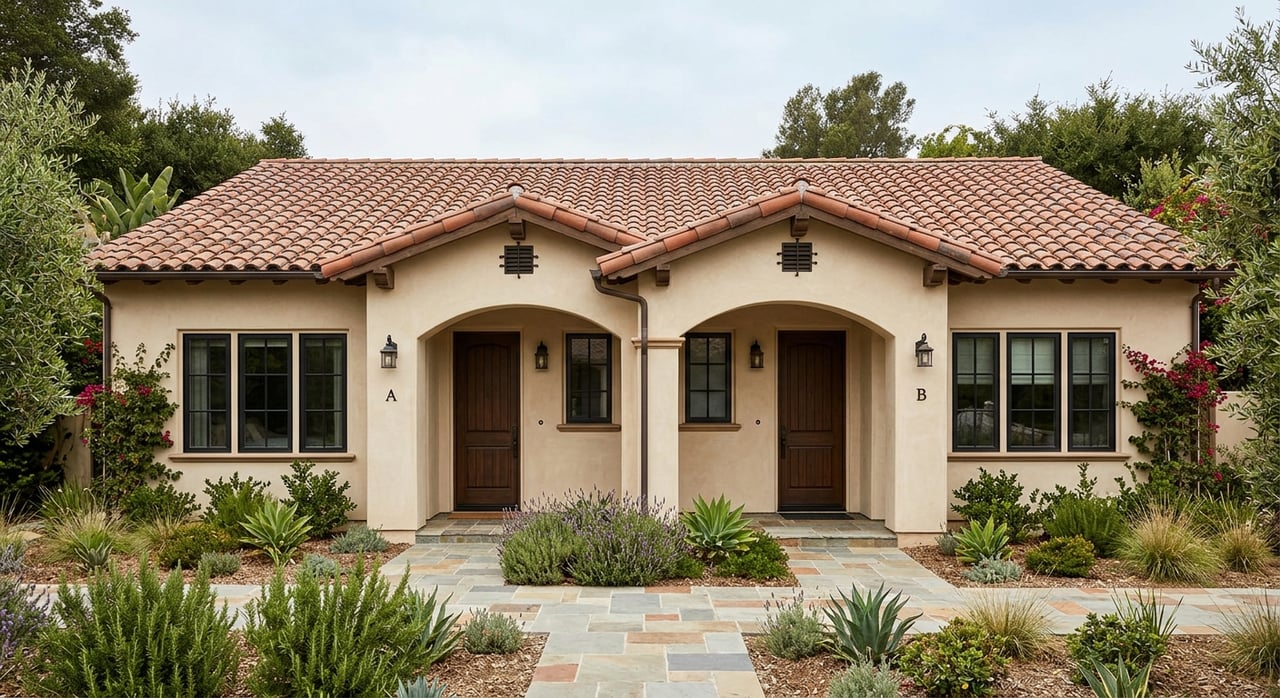
Wondering whether a single-family home or a villa makes more sense in Spring Hill? You are not alone. Many buyers here are balancing space, upkeep, monthly costs, and long-term flexibility in a market where details matter. If you are trying to choose the right fit for your lifestyle and budget, this guide will help you compare both options with more confidence. Let’s dive in.
Spring Hill housing choices at a glance
Spring Hill is a large owner-occupied market, which helps explain why buyers often look closely at carrying costs and day-to-day livability. The area had 113,568 residents in the 2020 Census, and recent ACS estimates show an 80.3% owner-occupied housing rate, 45,571 households, and a median owner-occupied home value of $288,500.
Those numbers give useful context if you are deciding between a traditional single-family home and a villa. Recent local data also shows why buyers have room to compare options carefully. In Hernando County, January 2026 single-family housing inventory reached 6.2 months, which leaned slightly buyer-friendly compared with the 5.5-month balanced-market benchmark.
That kind of market can give you more time to evaluate what matters most, including HOA fees, maintenance obligations, resale appeal, and how much control you want over the property. The right choice is rarely just about square footage.
What a single-family home means
In Spring Hill, a single-family home usually offers the most independence. You may have your own yard, more privacy, and more flexibility with landscaping or exterior updates compared with a lower-maintenance community product.
That said, single-family does not always mean no rules. In Florida, a homeowners association can regulate exterior appearance when that authority is allowed by the recorded declaration or published standards. So even if you buy a detached home, you should still check whether the neighborhood has dues, architectural review, or community rules.
Some Spring Hill communities show how this works in real life. A neighborhood may look like a typical single-family subdivision but still have official documents, dues, maintenance schedules, and approval processes for exterior changes.
What a villa means in Spring Hill
The word “villa” can sound simple, but in Spring Hill it is better understood as a label than a strict legal category. One villa community may include exterior maintenance and low HOA fees, while another may include a much broader package with amenities, reserves, and a more structured community setup.
That is why you should not assume every villa works the same way. The real answer is in the governing documents and fee sheet. Those will tell you what the association maintains, what you are still responsible for, and what recurring costs come with the property.
For many buyers, villas appeal because they can reduce exterior upkeep. If you want less yard work and a more predictable maintenance routine, a villa may feel like a better match. But lower-maintenance living does not always mean lower total monthly cost.
Single-family vs villa lifestyle differences
Your daily routine often matters more than the property label. A single-family home may suit you if you want more room to spread out, more say over outdoor spaces, or fewer shared community expectations.
A villa may suit you if you want a simpler exterior maintenance routine and are comfortable living within a more defined community structure. This can be especially appealing if you are downsizing, relocating, or looking for a home that feels easier to manage over time.
Here is a simple side-by-side comparison:
| Feature | Single-Family Home | Villa |
|---|---|---|
| Exterior responsibility | Often more owner responsibility | Often some exterior maintenance included |
| Yard flexibility | Usually more flexibility | Often more limited by community rules |
| HOA involvement | May have none or limited involvement | Often more structured HOA involvement |
| Monthly costs | May have fewer fees but more direct upkeep costs | May include HOA fees and amenity costs |
| Resale pool | Often broader general-market appeal | May be narrower depending on rules or age limits |
Monthly costs matter more than purchase price
It is easy to compare list prices and stop there. In Spring Hill, that can lead buyers to miss the bigger picture.
ACS estimates show median monthly owner costs of $1,506 with a mortgage and $488 without a mortgage in Spring Hill. That is a reminder that housing decisions are shaped by recurring costs, not just the sales price.
With villas, HOA assessments and amenity-related costs can change the math. In Florida HOA communities, assessments are mandatory when required by the governing documents, and unpaid amounts can become liens. Associations can also levy special assessments, which is why reserve funding matters.
If a villa community has strong reserves and a clear maintenance package, the tradeoff may feel worthwhile. If reserves are thin or the fee structure is not clear, a lower-maintenance home could still create financial surprises later.
HOA rules and control over your property
One of the biggest differences between these two choices is how much control you want to keep. Buyers often focus on who mows the lawn, but the larger question is who gets a say in exterior changes.
Florida law allows HOA architectural standards for exterior improvements when authorized by the community documents. In practical terms, that may affect paint colors, landscaping choices, fencing, roofing changes, or other visible updates.
Florida law also requires associations to adopt hurricane-protection specifications, and conforming hurricane-protection applications may not be denied. That is important in Florida, where storm preparation is part of owning a home. Still, it is wise to review the actual standards before you buy so you understand the approval process.
Why the documents matter
If you are comparing a villa with a single-family home in an HOA neighborhood, the paperwork is not just a formality. It is one of the most important parts of your decision.
In Florida, buyers in HOA communities should receive a disclosure summary before signing. If that required summary is not provided before contract execution, the buyer may void the contract by written notice within 3 days after receiving it or before closing, whichever comes first.
After contract, estoppel certificates are another useful due-diligence item. Associations generally must issue them within 10 business days, and the standard fee is capped at $250 when no delinquent amount is owed. These documents can help confirm what is due and whether there are outstanding issues tied to the property.
Resale can look different for each option
When you buy, you should also think about who may want the home later. Resale in Spring Hill is shaped by more than size and finishes.
Single-family homes often appeal to a broader buyer pool because they usually offer more privacy, yard freedom, and fewer built-in restrictions. That broader flexibility can support resale appeal over time, depending on the specific neighborhood and condition of the home.
Villas can still be strong resale options, especially for buyers who value convenience and reduced exterior upkeep. But your future buyer pool may be narrower if the community has strict rules, higher fees, or age restrictions.
For example, Timber Pines is a 55+ community with 3,452 homes and villas on 1,400 acres. That type of setting can be very attractive for the right buyer, but it naturally limits the pool of future purchasers compared with a general-market neighborhood.
Homestead questions for primary residents
If this will be your primary residence, tax planning may play a role in your choice. Hernando County’s property appraiser says the homestead exemption can reduce taxable value by up to $50,000.
The Save Our Homes cap also limits annual assessment increases to 3% or CPI, whichever is less. Eligible owners may transfer up to $500,000 of Save Our Homes benefit through portability.
That can be especially relevant if you are downsizing from one primary residence to another. Whether you choose a villa or a single-family home, it is worth considering how the move fits your long-term ownership costs.
Which Spring Hill buyers lean single-family
You may lean toward a single-family home if you want:
- More outdoor space
- Greater privacy
- Fewer limits on exterior personalization
- A broader general-market resale profile
- More freedom to manage maintenance on your own terms
This path often works well for buyers who see the home and lot as part of their lifestyle. If you enjoy having control over the yard, exterior projects, or future changes, a detached home may feel like a better fit.
Which Spring Hill buyers lean villa
You may lean toward a villa if you want:
- Less exterior upkeep
- A more predictable maintenance structure
- A simpler day-to-day ownership experience
- Community amenities, if offered
- A home that may feel easier to manage over time
This option can be appealing if you are relocating, downsizing, or simply want fewer exterior chores. The key is making sure the fee structure and rules actually match the lifestyle you want.
A smart way to compare your options
Before you decide, compare properties using the same checklist. That keeps you from choosing based on assumptions or marketing language alone.
Review these items for any villa or HOA-managed single-family home:
- Monthly HOA or association fees
- What exterior maintenance is included
- Reserve funding and special-assessment risk
- Architectural-review rules
- Age restrictions, if any
- Amenity costs and usage rules
- Insurance and upkeep responsibilities
- Resale appeal based on the likely future buyer pool
In today’s Spring Hill market, buyers have an opportunity to slow down and review these details carefully. That can help you choose a home that fits both your lifestyle now and your plans later.
Whether you are looking for more freedom or less maintenance, the best move is the one that matches your real priorities, not just the label on the listing. If you want help comparing homes, HOA structures, and neighborhood fit in Spring Hill, connect with The Philhower Group for local guidance and a high-touch buying experience.
FAQs
What is the main difference between a single-family home and a villa in Spring Hill?
- A single-family home usually offers more independence and outdoor flexibility, while a villa often offers less exterior maintenance but may come with more HOA structure and recurring fees.
Do Spring Hill villas always include exterior maintenance?
- No. In Spring Hill, “villa” is a product label, not a single legal category, so you should review the declaration and fee sheet to confirm exactly what maintenance is included.
Can a Spring Hill single-family home still have HOA rules?
- Yes. A detached single-family home can still be in an HOA community with dues, architectural-review requirements, and exterior standards authorized by the governing documents.
Are HOA fees in Spring Hill mandatory for villa owners?
- Yes, if the governing documents require assessments, they are mandatory, and unpaid assessments can become liens under Florida law.
How does resale differ between Spring Hill villas and single-family homes?
- Single-family homes often appeal to a broader buyer pool, while villas may have a narrower resale audience depending on fees, restrictions, reserve health, and any age limits.
Should primary-residence buyers in Spring Hill think about homestead benefits?
- Yes. Eligible buyers may qualify for a homestead exemption, Save Our Homes assessment limits, and portability benefits through Hernando County, which can affect long-term ownership costs.